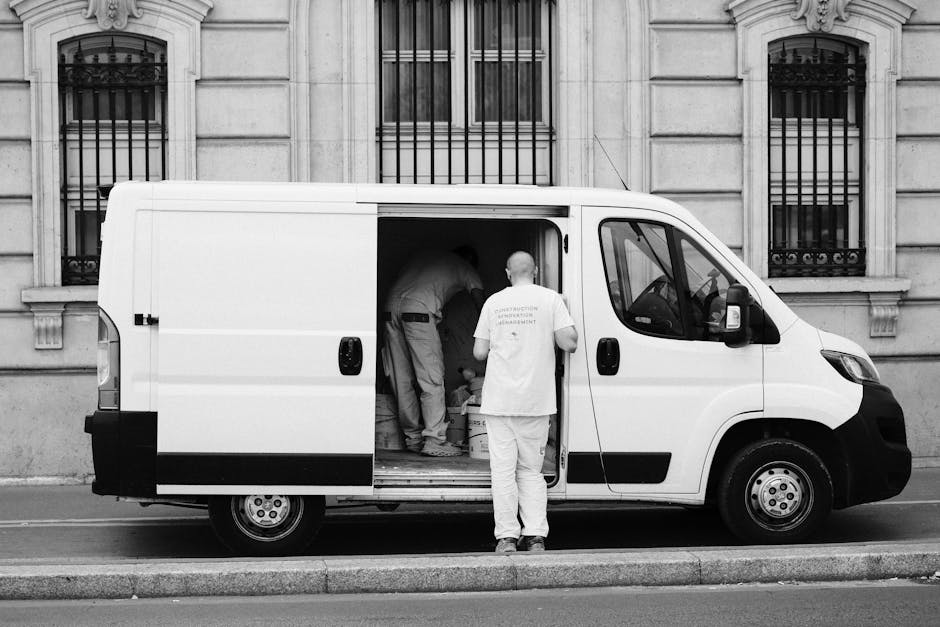
Islington Council removals rules for van loading in Highbury

If you are planning a move in Highbury, the loading bit can be trickier than the packing. Streets are tighter than people expect, parking is often limited, and one wrong assumption about where a van can stop can turn a simple removals job into a stressful morning. That is why understanding Islington Council removals rules for van loading in Highbury matters so much. Get the loading setup right and everything else tends to flow better. Get it wrong and you may end up circling the block, wasting time, and trying to lift furniture at the worst possible moment. Not ideal, to say the least.
This guide breaks down how van loading usually works in practical terms, what to watch for on Highbury streets, how to prepare properly, and where professional help can make the whole process feel a lot less chaotic. It is written for people moving house, flat, office, or just a few bulky items. And yes, even if you think you have "just a small van job", Highbury has a funny way of proving otherwise.
Why Islington Council removals rules for van loading in Highbury Matters
The short answer is simple: loading space is never just "space". In Highbury, it may also be part of a controlled parking zone, a bay with time limits, a single yellow line, a permit-only area, or a spot where stopping for longer than expected may cause a problem. That is why the council's loading rules are not a box-ticking exercise. They directly affect whether your move runs on time.
For removals in particular, the difference between a smooth load and a messy one often comes down to how close the van can get to the property entrance. A ground-floor flat with a straight path to the vehicle is one thing. A top-floor walk-up on a narrow road with neighbours coming and going is another. You can almost hear the trolley wheels and the front door banging already.
There is also the practical side: loading rules can affect how long a van may stop, whether loading is allowed at a certain time, and whether you need to leave extra room for traffic flow. If you are using a removal van, a man and van service, or a larger vehicle, the same principle applies. The vehicle size, the street layout, and the timing all have to line up.
Key takeaway: in Highbury, loading is not just about convenience. It is about access, timing, and avoiding unnecessary disruption. A little planning here saves a lot of friction later.
How Islington Council removals rules for van loading in Highbury Works
In practice, van loading usually depends on a few overlapping factors. First, there is the road layout itself. Then there are parking controls, any loading restrictions, and how long you actually need at the kerb. Finally, there is the reality of the move: how much furniture you have, how far the van will need to be from the door, and whether there are awkward items like wardrobes, mirrors, or boxes that need two hands and a careful turn on the stairs.
Most people assume loading is allowed if they are "only there for a minute". That is where trouble starts. In real life, loading is only straightforward when the stopping point is permitted for the type of activity, at the time you are doing it, and in a way that does not create avoidable obstruction. On some streets, a brief stop may be acceptable. On others, you may need to think about a bay, a permit, or a different arrival time.
Highbury also has a lot of residential streets where one parked car can change the whole loading plan. If the van cannot get reasonably close, the move takes longer. If the move takes longer, you may be under pressure from residents, neighbours, or the clock. Nobody enjoys watching a sofa being angled through a hallway while a van waits three houses down. It is a classic moving day moment, and not a pleasant one.
That is why experienced movers tend to do three things well:
- check access before the moving day,
- plan the van position as carefully as the packing, and
- allow a realistic time window for loading and unloading.
If you are combining loading with a broader move, it can help to look at the wider service around it too, such as removals, removal services, or a dedicated removal van. The better the vehicle and access match the job, the easier everything becomes.
Key Benefits and Practical Advantages
Understanding the loading rules brings a few very real benefits. Some are obvious, some are the sort of thing you only appreciate after a stressful move or two.
- Less wasted time: you are not hunting for a place to stop at the last second.
- Lower stress: the move feels organised rather than improvised.
- Safer handling: fewer awkward carries from far away means less chance of damage or strain.
- Better neighbour relations: nobody loves blocked driveways, noisy reverses, or a van left in the wrong place.
- Cleaner budgeting: if the job takes longer than expected, costs can creep up. A decent loading plan helps keep the day under control.
There is also a hidden benefit: confidence. When you know the van can load properly, you make better decisions about what to pack, what to dismantle, and what to move first. That sounds small, but on moving day it really matters. A calm start often leads to a calm finish. Well, as calm as a move ever gets.
For larger households, the difference between a good loading plan and a poor one can be dramatic. If you are moving from a family home, for example, you may want the extra structure of house removals or house removalists. If you are leaving a compact flat, then flat removals may be the more sensible fit. Same street, same council rules, very different logistics.
Who This Is For and When It Makes Sense
This guidance is useful for anyone arranging a van stop in Highbury, but a few groups will feel the pressure more than others.
- Home movers: especially if you have a lot of boxes, furniture, or tight stair access.
- Flat movers: where loading space is often limited and timing is everything.
- Students: when the move is small but the street access is awkward, which happens more than you think.
- Small businesses: if you are shifting stock, desks, files, or equipment during a short loading window.
- Anyone needing same-day help: because last-minute plans and parking rules are not always friends.
It also makes sense if you are moving something bulky but not the whole house. A piano, for instance, has its own challenges. A standard loading arrangement may not be enough if the item is heavy, fragile, or awkward to manoeuvre. In those cases, specialist help such as piano removals is worth considering. Likewise, if the move is more about furniture than a full relocation, furniture removals or furniture pick up may be the better route.
Truth be told, this topic matters most when people are trying to save time or avoid overcomplicating the move. That is fair enough. But a short move still needs proper loading discipline. Sometimes the "small job" is the one that catches people out.
Step-by-Step Guidance
Here is a practical way to think about the loading process from start to finish.
- Check the access first. Walk the route from the property to the kerb. Look for kerb height, narrow pavements, steps, parked cars, and anything that might slow you down.
- Match the vehicle to the street. A larger vehicle may be efficient for volume, but only if it can stop safely and legally. Sometimes a smaller van is the smarter choice.
- Plan the loading order. Start with the heaviest or most awkward items if that suits the layout, then build around them. Don't leave the biggest items until the end unless there is a strong reason.
- Allow for traffic and neighbours. Highbury streets can get busy. Give yourself breathing room, especially if you are moving in the morning or around school-run times.
- Use clear packing labels. When the van is open and the team is loading fast, labels stop confusion. "Kitchen" is better than a mystery box marked "misc".
- Keep essentials separate. Documents, chargers, keys, medication, and a kettle if you are wise. The kettle earns its place every time.
- Have a backup plan. If the best loading spot is taken, know your second-best option before the van arrives.
A sensible move often starts the evening before. If you are still taping box flaps at 11:30pm while half the flat is upside down, maybe pause. A small amount of prep saves a lot of cursing the next morning. We have all been there, in one form or another.
If you need packing help as part of the process, the options at packing and boxes and packing and unpacking services can make a noticeable difference. Better packing leads to faster loading, and faster loading makes compliance easier to manage.
Expert Tips for Better Results
Small details make a big difference on moving day. Here are the practical touches that tend to matter most.
- Arrive early enough to observe the street. A five-minute look can reveal whether a loading spot is genuinely usable or just looks usable from a distance.
- Keep a clear path indoors. Shoes, loose rugs, bins, and doorstops all slow the process down. Clear the route before the van arrives.
- Protect corners and floors. In older Highbury properties, painted walls and narrow halls can show scuffs fast. A bit of care saves repairs later.
- Use team communication. A simple "pause", "lift", or "watch the step" saves accidents. Nothing fancy.
- Don't overfill boxes. Heavy boxes slow loading and increase the risk of dropping them on stairs or pavements.
One thing people sometimes forget is daylight. A move that begins in the cool, pale light of early morning often feels very different from one that runs into late afternoon. By then, you are tired, the street is busier, and every extra trip feels longer. Planning the loading slot earlier can help a lot.
If you are dealing with business equipment or a multi-stop move, services like commercial moves or office removals may fit better than a casual van hire. They are often more suitable when timing, access, and loading discipline all matter at once.
Common Mistakes to Avoid
Most loading problems come from the same handful of mistakes. You can avoid nearly all of them with a bit of discipline.
- Assuming stopping is always fine: if the street has restrictions, assumptions can cost you time and patience.
- Leaving access checks too late: the day of the move is too late to discover the van cannot get close enough.
- Using the wrong vehicle size: too big is awkward, too small means more trips. Neither is great.
- Ignoring loading time: "It'll only take ten minutes" is one of the great moving-day myths.
- Packing in random order: if the van ends up with no structure, unloading becomes messy too.
- Forgetting building rules: some properties have their own access expectations, so do not rely on street access alone.
There is also a quieter mistake: not asking for help soon enough. People often wait until the last week and then try to solve every loading issue in one go. That is when things unravel. A bit of early planning, even just a phone call and a street check, can spare you the whole "now what?" moment.
If you are comparing providers, it is worth looking at the practical setup rather than just the price. A reliable man with a van arrangement may be perfect for a smaller move, while a larger moving truck can be better for heavier loads if the access works. The point is not to choose the biggest option. It is to choose the right one.
Tools, Resources and Recommendations
You do not need a toolbox full of gadgets to load a van properly, but a few items and habits help enormously.
- Furniture blankets: useful for reducing knocks and scratches.
- Straps and ties: important for keeping items from shifting in transit.
- Protective gloves: better grip, fewer scrapes, less misery.
- Box trolley or sack truck: a real time-saver if the route is long or the load is heavy.
- Labels and marker pens: simple, cheap, and extremely useful.
On the service side, it can help to think in layers. If the move is simple, a removal van or man and van may be enough. If you need extra flexibility, same day removals can be useful in a time-sensitive situation. If your move involves a gap between places, storage may help avoid pressure on the loading window altogether.
For anyone wanting reassurance on standards and process, a good provider should also be clear about safety, insurance, and service expectations. You can usually get a feel for that from their health and safety policy and insurance and safety information. That sort of transparency matters. A lot.
Law, Compliance, Standards, or Best Practice
Without getting lost in legal jargon, it helps to think of loading compliance in three layers: road rules, local restrictions, and safe moving practice. The exact rules can vary by street and by time of day, so you should always check the situation carefully rather than relying on habit or hearsay. If a stop is restricted, loading may not be permitted in the way you expect. If an area is controlled, the burden is on the driver and the mover to respect it.
In UK moving work, best practice usually means:
- not obstructing traffic unnecessarily,
- not blocking driveways or access routes,
- keeping the load secure,
- using suitable manual handling methods, and
- allowing enough time so nobody has to rush.
Manual handling is worth mentioning because it is often where the real risk sits. A badly planned loading job is more than a parking issue. It can be a strain issue, a slip issue, or a damage issue. In simple terms: if you have to twist, carry too far, or rush on stairs, the job is getting harder and less safe.
That is why many people choose to work with a provider that is upfront about process and accountability. If that matters to you, pages such as about us, terms and conditions, and pricing and quotes can be helpful when you are comparing options and deciding what level of support you need.
Options, Methods, or Comparison Table
There is more than one way to handle loading in Highbury. The right approach depends on how much you are moving, how tight the access is, and whether you need speed or flexibility more.
| Approach | Best for | Strengths | Watch-outs |
|---|---|---|---|
| Small van with careful kerbside loading | Light flat moves, a few bulky items, short distances | Easier to place on narrow streets, often quicker to position | May need more trips if the load is larger than expected |
| Man and van service | Flexible moves where help with lifting matters | Good balance of support and practicality | Still depends on street access and loading permissions |
| Removal van with full service support | House moves, stair-heavy properties, fuller loads | More structured and efficient for larger jobs | Needs better planning because vehicle placement matters more |
| Storage plus staged moving | Delayed completion dates or split moves | Reduces pressure on a single loading day | Requires extra organisation and possibly extra handling |
There is no single perfect method. A neat little ground-floor move might be done in one tidy sweep. A fourth-floor flat with a busy road outside? Different story. Different rhythm. That is where matching method to reality pays off.
Case Study or Real-World Example
Here is a realistic example based on a typical Highbury move. A couple in a two-bedroom flat were moving out on a Friday morning. They assumed a van could stop directly outside their building, but the street already had a mix of parked cars and limited kerb space. The first plan was to use a larger vehicle, but once the team checked access, it was clear that a slightly smaller van would make stopping and loading much easier.
They packed well, kept walking routes clear, and had the heaviest items ready first. The loading point ended up being a short walk from the door rather than right outside it, but because that was anticipated early, the team could work steadily rather than scrambling. The move still took effort, naturally. Mornings like that always do. But it ran calmly, with fewer delays and less backtracking.
The useful lesson? The loading rule itself is only part of the picture. The real win came from matching the van, the route, and the packing plan to the street conditions. That is the part people often miss. They focus on the paperwork side and forget the physical flow. Yet the physical flow is what you feel on the day.
Practical Checklist
Use this checklist before moving day. It is simple, but it works.
- Confirm the loading location and whether stopping there is realistic.
- Check the street for parking pressure and narrow access.
- Choose the right van size for the road and the load.
- Pack and label boxes clearly.
- Disassemble large furniture if needed.
- Keep the loading route inside the property clear.
- Separate essentials you do not want in the main load.
- Allow extra time for stairs, lifts, or awkward items.
- Have a backup access plan if the first spot is taken.
- Check safety, insurance, and service terms before booking.
Quick reassurance: you do not need to get every detail perfect. You just need to get the important ones right. That is enough to make a big difference.
Get a free quote today and see how much you can save.
Conclusion
Islington Council removals rules for van loading in Highbury can feel like a small detail until moving day arrives. Then they become one of the biggest parts of the job. The street, the space, the timing, the vehicle, and the packing all have to work together. When they do, the move feels controlled. When they do not, even a modest job can drag on.
The good news is that this is very manageable with the right preparation. Think ahead, load sensibly, choose the right service level, and respect the local access realities. That combination saves time, reduces stress, and makes the whole day feel more human and less frantic. And honestly, that is what most people want from a move: not perfection, just a clear path through it.
Take a breath, plan the loading carefully, and give yourself enough room to do it properly. The rest follows easier than you might think.
Frequently Asked Questions
What are the main Islington Council removals rules for van loading in Highbury?
The main points usually relate to where a van may stop, how long it can remain there, and whether the stopping point is suitable for loading without causing obstruction. Always check the street conditions carefully because Highbury roads can vary a lot from one block to the next.
Can I load a van outside my flat in Highbury?
Sometimes yes, but not always. It depends on parking controls, road markings, traffic flow, and whether the space is genuinely usable for loading. A spot that looks convenient may still be unsuitable once you look closely.
Do I need a smaller van for Highbury streets?
Not always, but smaller can be smarter where access is tight. A smaller van may be easier to position near the property, which can save time and reduce carrying distance. The best choice depends on the street and the volume of items.
How long should I allow for van loading?
More than most people think. Even a modest move can take longer once stairs, doorways, parking distance, and protective wrapping are factored in. Build in extra time so you do not end up rushing.
What if the loading bay or stopping place is taken?
Have a backup plan before the van arrives. In busy areas, another vehicle may already be using the ideal spot. Knowing your second-best option can save a lot of frustration.
Is a man and van service suitable for Highbury moves?
Yes, often it is. A man and van service can be a good fit for flat moves, furniture runs, and smaller removals where flexibility matters. It still needs proper loading planning, though.
What should I pack first for a loading day?
Start with items you use least often and boxes that are already labelled. Keep essentials, documents, and anything fragile that you need immediately separate from the main load. That way, the van can be loaded in a clearer order.
Are there special rules for office or commercial loading?
Yes, commercial moves often need even tighter coordination because time windows, equipment, and access all matter. If you are moving business premises, commercial moves or office relocation services may be more suitable.
What happens if my move involves heavy furniture or a piano?
Heavy or delicate items need extra care and better handling methods. A piano, for example, can affect the whole loading plan because it is awkward to manoeuvre and should not be rushed. Specialist support is usually the safer option.
How can I make loading safer for everyone?
Keep the route clear, avoid overfilled boxes, use proper lifting technique, and make sure the team communicates clearly. If the job feels too big to do casually, that is usually a sign to bring in more structured help.
Where can I find more information about service standards and safety?
It helps to review the provider's service pages and policy information, including health and safety policy, insurance and safety, and terms and conditions. Those pages give a better sense of how the job is managed and what to expect.
Is storage useful if I cannot load everything in one go?
Yes, storage can be a sensible backup if your move is split across dates or you are waiting on access at the new property. It can reduce pressure on the loading window and make the move feel more manageable.
What is the best next step if I am moving in Highbury soon?
Do a quick access check, decide what kind of van you really need, and compare your options early. If you want help with a smooth move, looking at pricing and quotes is a practical place to start.